Theater Seats
Yeni
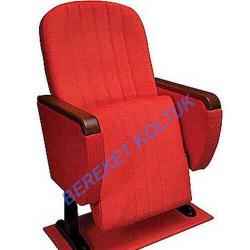
Aras Cinema Seat is designed to deliver premium comfort, durability, and a modern appearance for cinema and theater halls. Manufactured with a metal frame covered with 55-density polyurethane foam, the model uses flame-retardant fabric laminated with thin foam and stitched according to the form, ens..
Yeni
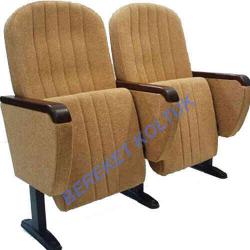
The Aras conference chair is a prestigious seating model designed for high-end theater and conference halls. Its ergonomic frame, shaped according to human anatomy, is covered with 55-density polyurethane foam to achieve both comfort and long-lasting durability. Flame-retardant laminated fabric..
Yeni
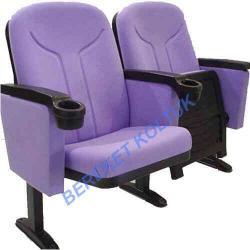
The Bardaklı Rom Budget Conference Chair is a functional seating model designed for venues requiring durability, ergonomics and affordability. The chair’s body is manufactured from high-strength metal profiles. The frame is placed into a mold and filled with liquid foam to achieve its shape. Once th..
Yeni
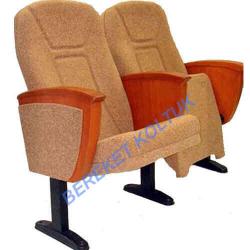
Martin Wooden Conference ChairMartin wooden conference chair adds elegance to professional halls with its aesthetic design, ergonomic structure, and long-lasting material quality. Its durable metal frame, solid wood details, and comfortable seating structure reflect quality in every detail. It bring..
Yeni
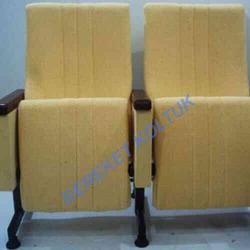
Dolfin Budget Conference Chairs are fully Turkish-made seating solutions certified with TSE and ISO standards. With over 15 years of experience, Bereket Ofis manufactures products without using spot or second-grade materials and offers a 2-year warranty. Instead of opting for low-quality chairs..
Yeni
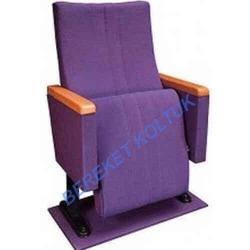
The Dolfin Budget Seminar Chair is designed for conference, seminar and training halls that require long-term comfort, modern appearance and strong durability. Even though it is positioned in the budget category, this model offers the ergonomic structure, premium materials and long-lasting comfort t..
Yeni
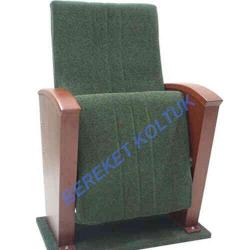
Dolfin Theatre Chair is a professional seating solution designed for businesses that require both aesthetics and long-lasting performance in modern theatre halls. Its metal-profile frame is pressed with 55-density polyurethane foam, creating a durable and stable structure. Fire-retardant laminated u..
Yeni
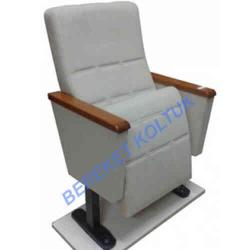
The Dolfin Cinema and Conference Chair is a premium seating model designed for long-lasting use in cinema and conference halls. The body frame is produced from durable metal profiles shaped according to the chair’s ergonomic form and placed into a mold, where it is filled with liquid foam. Once..
Yeni
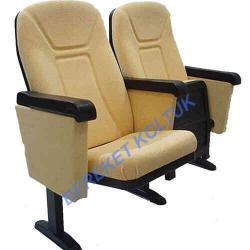
Professional Seating Solution for Modern HallsCorporate conference halls, cultural centers and cinema venues require seating solutions that combine comfort with long-lasting durability. The Martin Cinema and Conference Chair is designed to meet these needs, featuring an advanced structure that blend..
Yeni
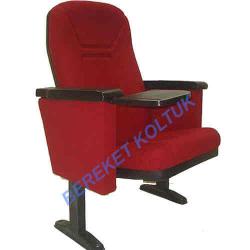
Martin Closed Arm Conference Chairs are preferred in corporate meeting halls, training centers and conference venues where a professional and unified appearance is required. The frame structure is formed on a metal profile, and the 55-density polyurethane foam maintains its shape for long-term use. ..
Yeni
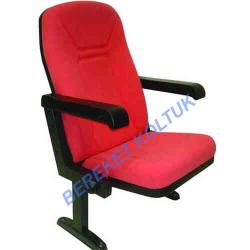
In today’s conference, seminar and corporate event spaces, the need for both aesthetically pleasing and technically reliable seating solutions is more important than ever. Martin Conference Chairs are developed to meet this expectation, combining durability and comfort in a professional seating stru..
Yeni
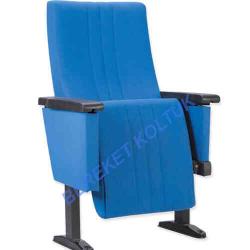
Dolfin Meeting Room Chair: Modern and Comfortable SolutionThe Dolfin meeting room chair is specially crafted for high-end meeting rooms with its modern design, comfortable and ergonomic seating, durability, and superior craftsmanship. Compliant with technical specifications, the chair features..
Yeni
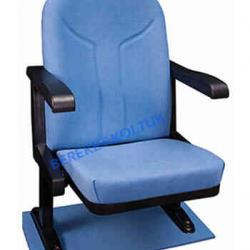
The Rom Affordable Conference Chair is widely preferred in public institutions, schools, social facilities, and auditoriums, due to its cost-effective structure and durable build quality. Its affordability comes from direct manufacturing and the absence of optional accessories such as writing tablet..
Yeni
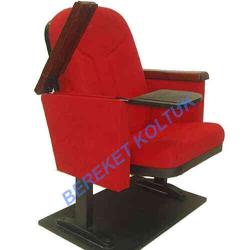
The Rom Conference Chair with Writing Tablet is one of the most preferred seating models in conference halls. Designed with armrests covered in the same upholstery material as the seat, it features an integrated foldable tablet that allows attendees to take notes comfortably during seminars and meet..
Yeni
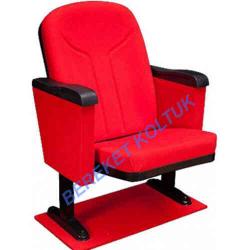
The Rom Enclosed Arm Conference Chair is a widely preferred seating solution for conference halls in corporate facilities, educational institutions, social venues, and municipal seminar areas. Featuring compact dimensions, competitive pricing and ergonomic comfort, it provides an excellent user expe..
Yeni
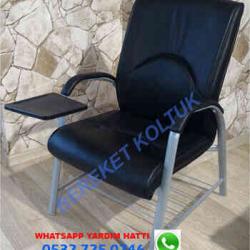
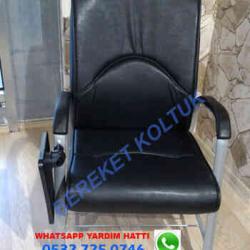
The seminar hall chair is a widely preferred seating solution for high-level seminar, conference and training areas thanks to its portable structure, foldable writing tablet and contemporary design features. The monoblock wooden body, shaped according to the natural curve of the human spine, ensures..
Yeni
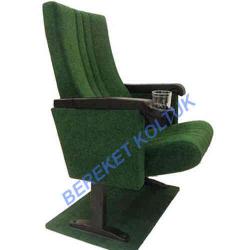
Soft Conference and Theater Seats are designed for high-end projects, combining modern aesthetics, ergonomic structure, and durable components. They enhance the prestige of conference and theater halls while maintaining optimal comfort even during long sessions. Manufactured entirely by our company,..
Yeni
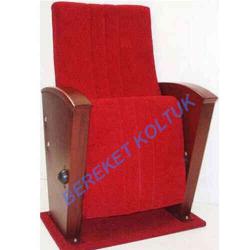
The Soft Conference Hall Chair is designed for modern auditoriums and conference venues, offering an elegant appearance and ergonomic seating experience. With its high-density foam and fire-resistant upholstery, it provides reliable comfort for long sessions. Manufactured directly by our company, it..
Yeni
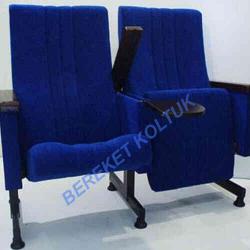
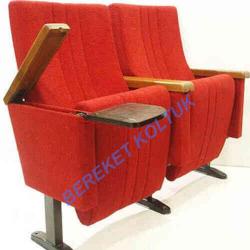
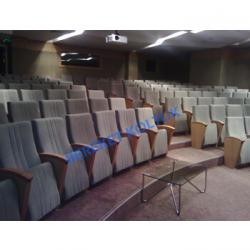
The Soft Seminar Chair is one of the most preferred models in high-end seminar halls with its modern design and ergonomic structure that provides high comfort during long seating sessions. Every detail, from its upholstery to the metal body structure, is designed for professional use. The seat and b..
Yeni
Soft Seminar Chairs with Writing Tablets are a premium seating solution that blends comfort with aesthetic design. The ergonomic back curve and lumbar support ensure long-lasting comfort during seminars and conferences. The writing tablet hides inside the armrest when not in use, providing practical..
Yeni
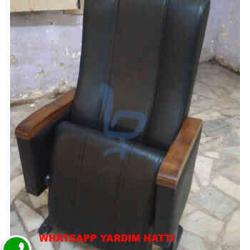
The Soft Wooden Arm Seminar Chair is a VIP-grade seating solution manufactured by our company. Its metal frame is engineered for long-term durability. Upholstery options include high-quality leather or fabric. The Soft Wooden Arm Seminar Chair elevates the prestige of conference and meeting roo..

Yeni
Wooden Conference ChairMeeting, seminar, and conference areas are the face of an institution. The furniture used in these spaces directly affects the participant experience not only in terms of aesthetics but also comfort. A wooden conference chair is a unique option that combines functionality, ele..
Showing 1 to 22 of 22 (1 Pages)