
Conference Chair
Yeni
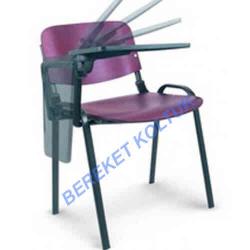
The conference chair model is designed for modern seminar, training and meeting rooms. Its steel profile frame offers long-term durability, while the foldable writing tablet on the side can be opened when needed and closed for compact storage. Thanks to this functional structure, conference chair&nb..

Yeni
Produced according to the desired color and features, the Efes Conference Chair is a premium seating solution preferred in meetings, seminars and training halls. Its structure does not require floor mounting, allowing it to be easily stored and brought out whenever needed. With its modern design, er..

Yeni
The Form Conference Chair is widely preferred in seminar and conference halls thanks to its compact structure and easy storage capability. Its affordable price is not due to low-quality materials but because we are the manufacturer. With its durable structure, ergonomic design and quality materials,..
Yeni
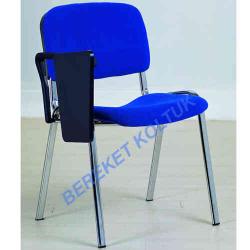
Produced in Türkiye with TSE and ISO certification, the Form Seminar Chair is a durable and ergonomic seating solution frequently used in seminar and meeting halls. None of the models include second-quality or spot materials. With more than 15 years of industry experience, our company offers long-la..
Yeni
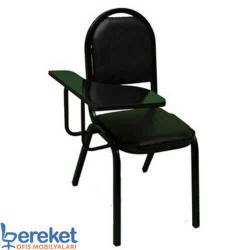
The Hilton conference chair is designed to help attendees comfortably take notes during seminars and conferences. Its frame is produced from durable metal profiles and coated with electrostatic powder paint, giving it both long-term resistance and a refined appearance. The seat and backrest of ..
Yeni
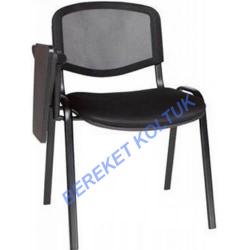
The Mesh Conference Chair is manufactured by our company with high production standards. Its metal profile frame is coated with electrostatic powder paint, providing both corrosion resistance and a modern appearance. The backrest is designed with an imported hard mesh fabric placed inside a durable ..
Yeni
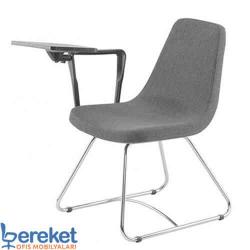
Compact and Functional Seating SolutionDesigned for limited spaces, the Mini Seminar Chair stands out with its stackable structure and flip-up writing tablet. It is widely used in meeting rooms, training areas and seminar halls, offering a practical seating solution for all compact layouts. The meta..
Yeni
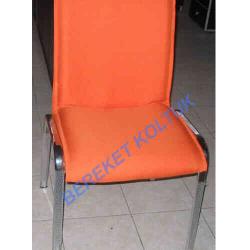
High-quality faux leather or flame-retardant fabric is used for upholstery, offering easy cleaning and compliance with safety standards. Lightweight construction enables effortless mobility and flexible room arrangements. Produced with TSE-certified materials, seminar chairs come with a 2-year warra..
Showing 1 to 8 of 8 (1 Pages)