

Yeni
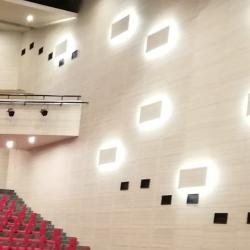
Conference Hall Wall Cladding: Acoustic Performance and Architectural AestheticsConference hall wall cladding is not merely a decorative element; it is a critical architectural solution that op..
Yeni
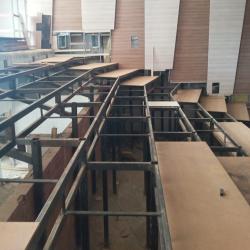
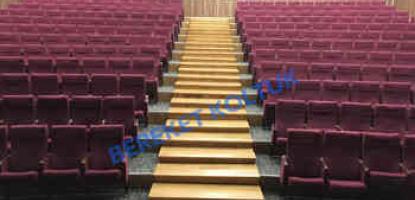
Conference hall floor elevation is one of the most effective methods to enhance both the visual and functional quality of meeting, seminar and event spaces. This system elevates the rear rows to creat..
Yeni
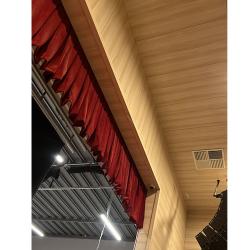
Motorized Stage Curtain: The Perfect Blend of Aesthetics and Functionality A stage curtain creates a visual spectacle in theaters, cinemas, conference halls, or any performance space while facili..
Yeni
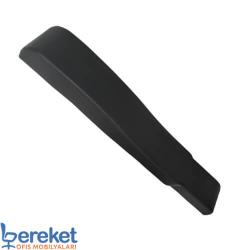
Conference Chair Armrest Plastic: Quality Spare Part Solutions The conference chair armrest plastic, a key component in the conference chair spare parts category, plays a vital role in the ma..
Yeni
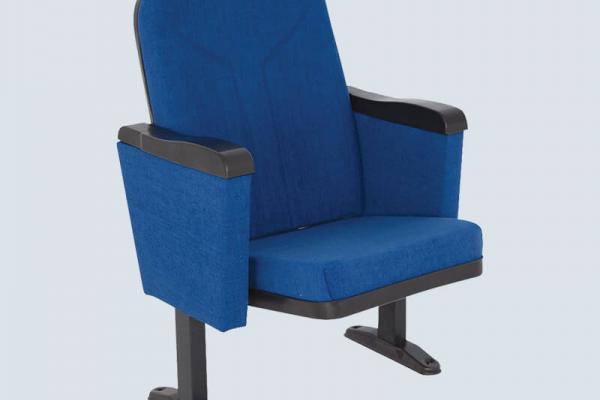
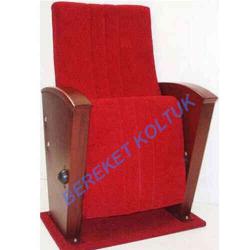
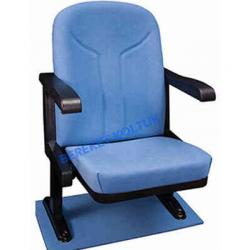
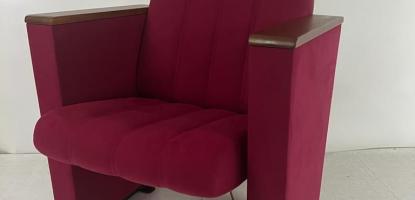
The Soft Conference Hall Chair is designed for modern auditoriums and conference venues, offering an elegant appearance and ergonomic seating experience. With its high-density foam and fire-resistant ..
Yeni
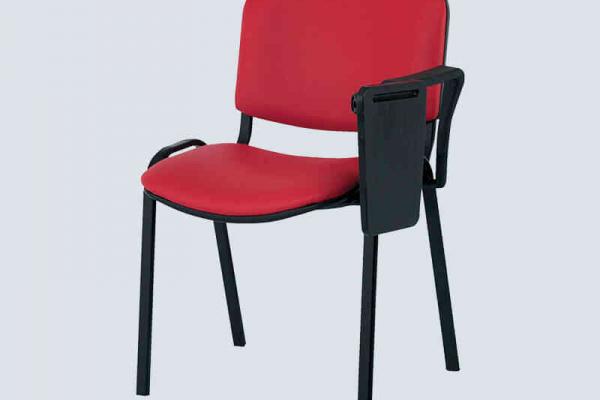
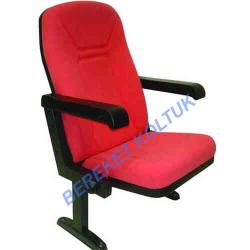
The Rom Affordable Conference Chair is widely preferred in public institutions, schools, social facilities, and auditoriums, due to its cost-effective structure and durable build quality. Its affordab..
Yeni
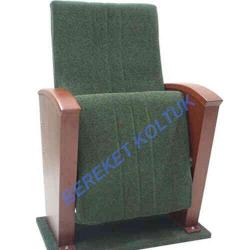
In today’s conference, seminar and corporate event spaces, the need for both aesthetically pleasing and technically reliable seating solutions is more important than ever. Martin Conference Chairs are..
Yeni
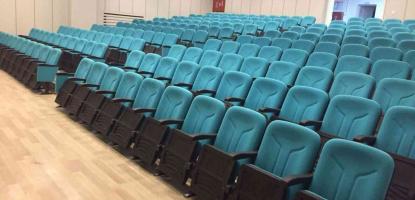
Dolfin Theatre Chair is a professional seating solution designed for businesses that require both aesthetics and long-lasting performance in modern theatre halls. Its metal-profile frame is pressed wi..
23 Apr 
23 Apr 
30 May 
0 1277
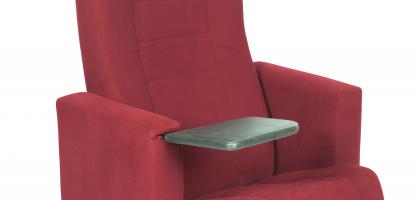
The Rise of **Ergonomic Conference Chairs** in 2025: A New Era of Comfort and ProductivityIn the modern business world, **ergonomic conference chairs** are becoming indispensable ..
22 May 
0 1078
Conference Chair Selection for Long Sessions: 2020-2025 Guide In today’s fast-paced business world, long meetings and conferences have become an essential part of professional life. However, ..