Conference Hall Floor Elevation

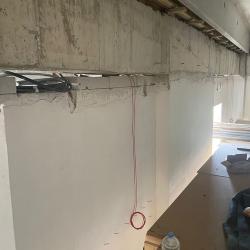
Conference hall floor elevation is one of the most effective methods to enhance both the visual and functional quality of meeting, seminar and event spaces. This system elevates the rear rows to create a clear line of sight toward the stage while also providing an organized area for technical infrastructure such as cabling and ventilation. Floor elevation is widely preferred in auditoriums, schools, cultural centers and conference venues, offering a balanced combination of durability, aesthetics and practicality.
Why Conference Hall Floor Elevation Is Applied
Conference hall floor elevation is designed to optimize the viewing angle across the hall. In large spaces, elevating the back rows ensures that every participant can clearly see the stage. Beyond improving visibility, this system allows technical infrastructure to be hidden under the floor, providing a clean and professional appearance. The structural system is built with durable materials and can withstand high levels of foot traffic, making it an essential component of modern conference halls.
Structural System and Materials Used
Floor elevation systems are typically built on a steel construction frame, finished with MDF or raw chipboard panels. Steel profiles offer high load capacity, with some systems supporting up to 6,000 kg per square meter. Surface materials vary depending on the design and acoustic needs. PVC, carpet or laminate parquet options provide different visual and acoustic advantages. Carpets offer acoustic insulation, while laminate creates a more refined appearance. Each material contributes to the hall’s overall comfort and performance.
Design, Measurement and Installation Considerations
In conference hall floor elevation projects, measurements such as ceiling height, hall capacity and seat layout directly affect design decisions. The vertical difference between eye level and head height (approximately 9 cm) is used to calculate each riser’s height. Steps are designed ergonomically to ensure safe and comfortable access for visitors. Floor elevation systems are engineered for long-term use and can be produced with warranties of 10–12 years.
Acoustic Enhancements with Elevated Floors
Floor elevation also contributes to the hall’s acoustic performance. Acoustic-compliant coverings minimize echo and enhance sound clarity. For example, carpet coverings absorb sound, while laminate provides a professional finish with moderate acoustic performance. Concealed technical infrastructure beneath the elevated floor keeps cabling organized and improves the overall sound dynamics of the hall.
Safety Standards in Floor Elevation
Safety is a major factor in floor elevation projects. Systems must be designed according to building structural requirements and withstand conditions such as fire, seismic activity or emergency evacuations. Steel constructions offer high durability and controlled flexibility to absorb movement. Additionally, accessibility standards, such as ramped entries and step-free zones, are essential components of modern conference hall design.
Application Areas and System Types
Conference hall floor elevation can be applied not only in large auditoriums but also in school halls, culture centers and small meeting rooms. Depending on the area, fixed, modular or portable floor elevation systems can be chosen. Modular systems provide flexibility for multi-purpose spaces, while fixed solutions are ideal for permanent installations.
Types of Floor Elevation Systems
Floor elevation systems vary depending on the structural layout and purpose of use. Fixed systems are suitable for permanent halls, while modular systems are ideal for temporary arrangements. Steel or concrete-based systems offer high load capacity. Telescopic platforms are another innovative option that allows seat rows to be moved or folded.
Floor Elevation Costs and Budgeting
Costs depend on material selection, hall dimensions and surface covering choices. Steel-frame systems with MDF panels are more economical, whereas concrete or custom coverings increase cost. Free site assessments and detailed project drawings ensure accurate budgeting.
Floor Elevation Materials and Technologies
Steel profiles such as 40x40x2 mm or 40x60x2 mm offer strong load capacity. MDF or chipboard surfaces are finished with PVC, carpet or epoxy coatings based on the project needs. Modern installation technologies support fast assembly and long-term durability.
Floor Elevation and Acoustic Performance
Acoustic requirements are prioritized when selecting covering materials. Sound-absorbing carpets reduce echo, while laminated parquet enhances aesthetic appeal. Concealed infrastructure under the floor ensures organized cabling and optimized acoustics.
Technical Notes for Elevated Floor Construction
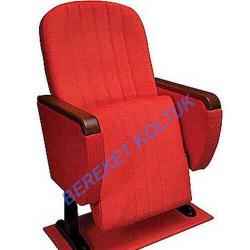
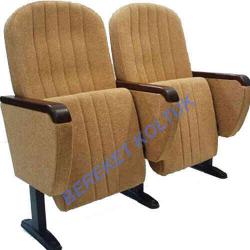
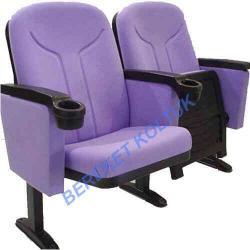
If the space does not allow proper placement of conference hall seats, floor elevation helps increase capacity and improve visibility. Steps between 17–20 cm height and 90–200 cm depth are created based on seat rows. Steel profiles are placed according to seat mounting points. Floors are covered with MDF sheets, followed by the selected surface material, typically carpet. After finishing, conference seats are mounted securely.